How to Stay Safe on Public Wi-Fi: The Essential Role of Temporary Email
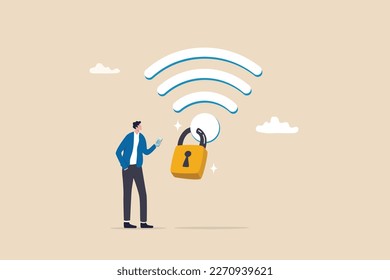
Public Wi-Fi networks are incredibly convenient, but they also come with significant security risks. Hackers can easily intercept data transmitted over these networks, leading to identity theft and data breaches [1].
### The Risks of Public Wi-Fi
1. **Man-in-the-Middle (MitM) Attacks:** Hackers can position themselves between you and the Wi-Fi router, allowing them to intercept all your data [2]. 2. **Unencrypted Networks:** Many public Wi-Fi networks do not use encryption, making it easy for hackers to "sniff" your data [3]. 3. **Evil Twin Hotspots:** Hackers can set up fake Wi-Fi hotspots that look legitimate to trick you into connecting [4]. 4. **Packet Sniffing:** Hackers use specialized software to capture and analyze data packets transmitted over the network [5].
### How Temporary Email Protects You
When you connect to public Wi-Fi, you might be asked to provide an email address to gain access. This is where temporary email becomes an essential security tool:
* **Anonymous Access:** Use a temporary email address to sign up for public Wi-Fi. This prevents the network provider (or a hacker) from linking your activity to your real identity. * **Protection from Phishing:** If the public Wi-Fi network is compromised, any phishing emails sent to the registration address will go to your temporary inbox, keeping your primary email safe. * **Reducing Your Digital Footprint:** Using temporary email reduces the amount of personal information you leave behind on public networks.
| ### Comparison: Personal vs. Temporary Email on Public Wi-Fi | ||
|---|---|---|
| :--- | :--- | :--- |
| Privacy | Low (linked to your identity) | High (anonymous) |
| Security | High risk if compromised | Low risk (isolated) |
| Spam Risk | High (marketing lists) | Zero (disposable) |
| Tracking | Easy to track | Hard to track |
### Essential Tips for Public Wi-Fi Safety
* **Use a VPN:** A Virtual Private Network (VPN) encrypts your data, making it unreadable to hackers [6]. * **Avoid Sensitive Transactions:** Never log into banking or other sensitive accounts while on public Wi-Fi. * **Use HTTPS:** Ensure the websites you visit use HTTPS encryption. * **Turn Off Automatic Connection:** Prevent your device from automatically connecting to open Wi-Fi networks. * **Always Use Temporary Email for Signups:** Protect your primary email from potential threats on public networks.
### References: [1] Public Wi-Fi Security - Federal Trade Commission (FTC): [https://consumer.ftc.gov/articles/how-safely-use-public-wi-fi-networks](https://consumer.ftc.gov/articles/how-safely-use-public-wi-fi-networks) [2] Man-in-the-Middle (MitM) Attack - Norton: [https://us.norton.com/blog/emerging-threats/man-in-the-middle-attack](https://us.norton.com/blog/emerging-threats/man-in-the-middle-attack) [3] The Dangers of Public Wi-Fi - Kaspersky: [https://www.kaspersky.com/resource-center/preemptive-safety/public-wifi](https://www.kaspersky.com/resource-center/preemptive-safety/public-wifi) [4] Evil Twin Attack - Malwarebytes: [https://www.malwarebytes.com/cybersecurity/glossary/evil-twin-attack](https://www.malwarebytes.com/cybersecurity/glossary/evil-twin-attack) [5] What is Packet Sniffing? - Cisco: [https://www.cisco.com/c/en/us/products/security/what-is-packet-sniffing.html](https://www.cisco.com/c/en/us/products/security/what-is-packet-sniffing.html) [6] How a VPN Protects You - PCMag: [https://www.pcmag.com/how-to/what-is-a-vpn-and-why-you-need-one](https://www.pcmag.com/how-to/what-is-a-vpn-and-why-you-need-one)